You’ve done it.
You’ve spent hours polishing your CV, or you're wrestling with the huge decision to leave a job you've been in for a decade.
What’s the very first thing you do?
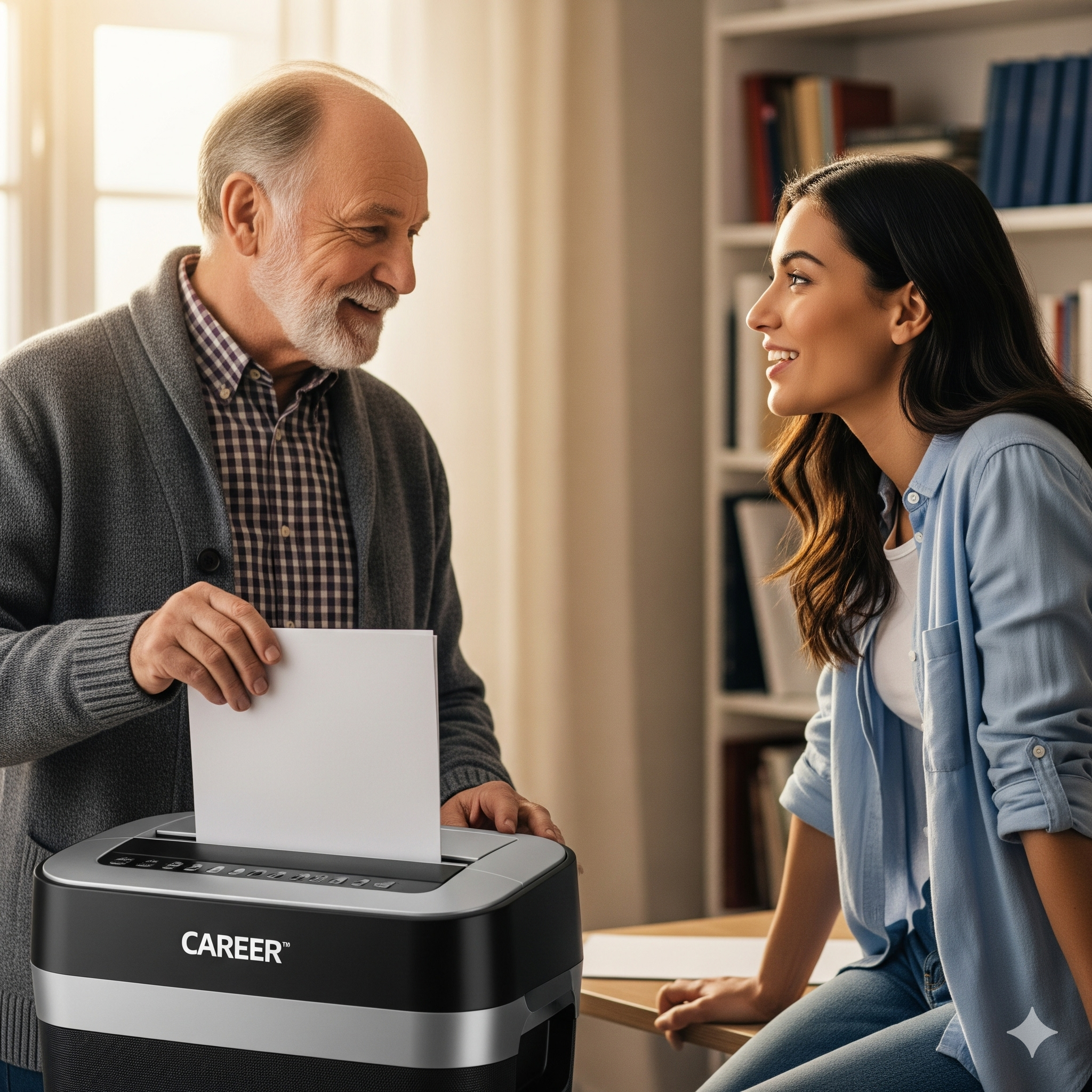
You turn to your partner, your best mate, or your dad and ask,
“What do you think?”
It’s the most natural thing in the world.
These are the people who have your back.
They want the best for you.
And that is precisely why they are often the worst people to ask for career advice.
When we’re feeling vulnerable or uncertain, we seek out comfort and validation from those we trust most.
But when it comes to your career, that comfort can be a trap.
The love and support from your friends and family are invaluable.
However, their advice is almost always clouded by one thing:
Their emotional connection to you.
The Objectivity Gap
Your loved ones see you through a biased lens.
They see the person they adore,
not the professional a hiring manager will assess in sixty seconds.
They’ll read your CV and say,
“This sounds just like you! It’s great.”
A hiring manager, or an Applicant Tracking System, isn't looking for a nice person.
It's looking for specific keywords, quantifiable achievements, and a clear return on investment.
Their feedback is based on affection. Professional feedback is based on market reality.
The 'Play It Safe' Bias
Your family wants you to be secure.
The thought of you leaving a "good job" with a steady salary, especially in this economy, is terrifying for them.
So, when you talk about feeling stuck or unfulfilled, their instinct is to soothe your fears rather than explore the opportunity.
You’ll hear things like,
“But the money’s good, isn’t it?” or
“Maybe it’s not so bad? Every job has its bad days.”
This well-intentioned advice is designed to steer you away from risk and back towards the safety of the known.
It’s advice that keeps you stuck.
They Lack the Right Expertise
I once worked with a client, a brilliant Senior Manager in the tech sector we'll call Stephen.
He was frustrated because he wasn't getting any interviews.
He’d had his CV reviewed by one of his best mates, a teacher.
His friend, meaning well, told him it was “very impressive” and that he came across as highly experienced.
The reality?
Stephen’s CV was a dense, four-page document filled with technical jargon and a list of duties.
It was an encyclopedia of his entire career.
We stripped it back, focused on the '10-Year Rule', and rewrote it to highlight his achievements and leadership impact using the language recruiters were looking for.
Within three weeks, he had two interviews lined up.
His mate gave him supportive advice.
I gave him a strategy that worked.
The Difference Between Support and Strategy
This is the crucial distinction.
Your family and friends are your support system. They are your cheerleaders, your confidants, and the people you celebrate with when you land the role.
A career coach is your strategist.
My role isn’t just to make you feel better. It’s to provide you with:
- An Objective, Expert Perspective: I have no emotional bias. My only agenda is to help you achieve your professional goals. I have spent over 15 years in the corporate world; I know what hiring managers are looking for.
- A Strategic Framework: We don’t just talk. We create a concrete, actionable plan. We use proven methods to rewrite your CV, prepare for interviews, and articulate your value.
- Honest, Challenging Feedback: I’m the person who will tell you, directly but supportively, that the story you're telling yourself is holding you back. I will challenge the limiting belief that it's "too late" to change careers or that you're not qualified enough.
You wouldn’t ask an electrician to fix your car.
So why are you asking someone without specialist market knowledge to help architect the next ten years of your professional life?
Let your loved ones be your source of emotional support.
It’s a vital role that only they can fill.
But get your career strategy from a professional.
If you’re ready to move beyond well-meaning advice and start building a career plan that gets real results, let's have a proper conversation.
Book a free, no-obligation 30-minute consultation with me, and we can discuss a strategy that’s built for you, not just to make you feel safe.